Storage infrastructure for the energy transition.
We are reducing the footprint of conventional operations while building the capacity the next generation of energy will need.
A ten-year roadmap, audited annually
In 2025, Nord Terminals Kotka Oy adopted a group-wide sustainability programme spanning all six terminals, with targets independently verified each year and reported to customers and regulators alike.
Our ESG approach rests on four pillars: decarbonising terminal operations, protecting the marine and coastal environments we operate in, managing resources responsibly, and investing in the communities around each site.
Carbon Reduction
Targeting a 45% reduction in scope 1 and 2 emissions intensity across the network by 2035.
Terminal Electrification
Progressive replacement of diesel-driven pumps and generators with grid and renewable-sourced electric equipment.
Vapour Recovery
Vapour recovery units installed across loading operations reduce fugitive hydrocarbon emissions terminal-wide.
Efficient Heating
Waste-heat recovery systems cut the energy required to keep viscous products within transfer temperature.

Renewable Energy
On-site solar installations now cover a growing share of ancillary power demand at the Kotka and Fujairah terminals, with additional sites under feasibility review.
Where direct generation is not feasible, terminals are covered by renewable power purchase agreements, aligning grid electricity use with our decarbonisation targets.
Water & Waste Management
Water Conservation
Closed-loop tank cleaning systems and rainwater capture reduce freshwater withdrawal at every terminal, with treated water reused for fire-system testing and dust suppression.
Waste Management
Tank sludge and cleaning residues are processed through licensed recovery facilities, recovering usable product and minimising landfill disposal.
Environmental Protection
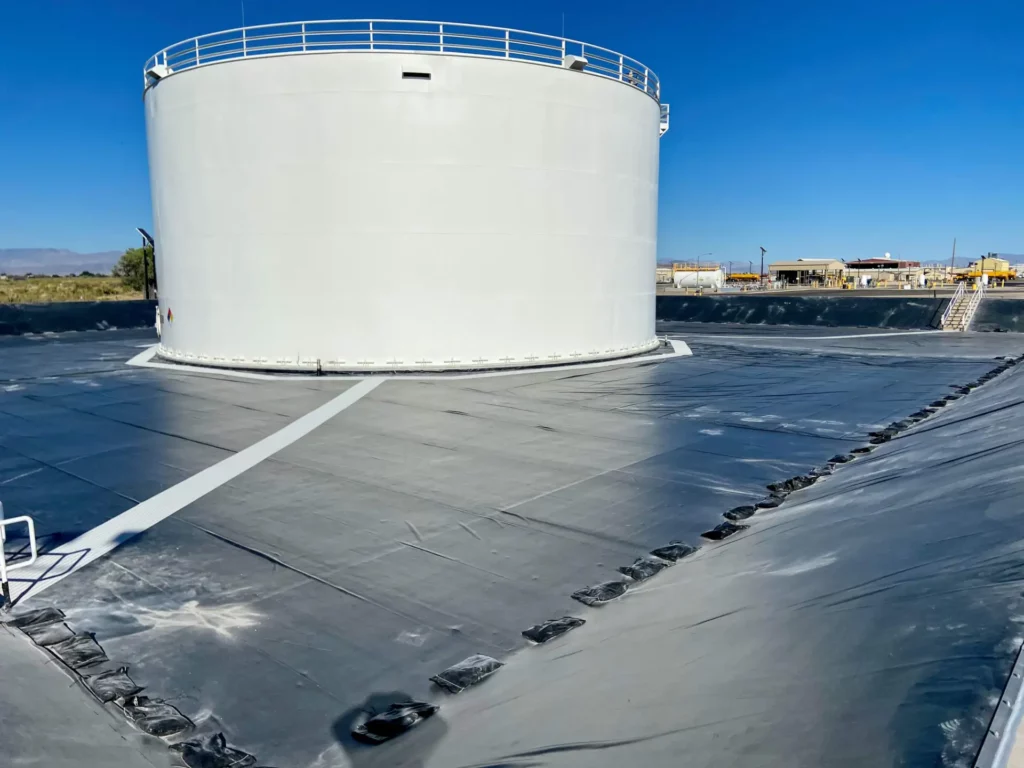
Every terminal maintains secondary containment, groundwater monitoring wells and marine spill-response equipment tested through regular drills with local authorities.
Environmental performance is reviewed at board level quarterly, with any exceedance triggering a formal root-cause investigation.
Community Engagement
Long-term neighbours require long-term investment — in dialogue, in local employment and in shared infrastructure.
Local Employment
More than 70% of terminal roles are filled from within each site's home region.
Community Liaison Panels
Quarterly meetings with residents, port authorities and emergency services at every terminal location.
Education Partnerships
Apprenticeship and technical training programmes run with regional maritime and engineering colleges.